How the internet quietly rewrote the rules of reaching customers
If a business isn’t using digital marketing today, it’s missing out on a huge chunk of potential customers. People used to learn about products through newspapers, TV, or radio, but now everything has shrunk down to a mobile screen, and that shift alone has changed how customers discover, trust, and buy from brands.
Reaching the Right Customer Directly
This is probably the single biggest shift digital marketing brought with it. In traditional marketing, businesses used to pay for a billboard or a newspaper ad and just hope the right people happened to see it, there was no way to know who was actually watching or reading. Digital marketing flipped that completely. Now a business can choose exactly who sees its ad, based on age, location, income level, interests, even what someone searched for last week. For example, if someone sells organic baby food, they don’t need to advertise to the entire country, they can run Facebook or Instagram ads that show up only in the feeds of new and expecting parents in their city. The result is that the marketing budget stops being a gamble. Every rupee spent has a much higher chance of reaching someone who might actually buy, and that precision is something old-school marketing could never offer.
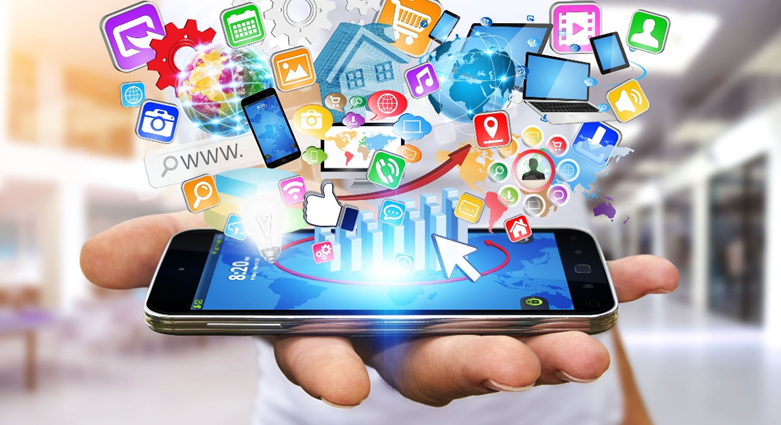
Every device now doubles as a marketing channel
More Results at Lower Cost
Bigger reach, smaller budget. A small shop owner who could never afford a TV commercial can now put their product in front of an entire city through Instagram or WhatsApp Business, often for a few hundred rupees a day.
Building a Direct Connection with Customers
One of the most underrated benefits of digital marketing is how it closes the distance between a brand and the people buying from it. In the past, once a customer bought something, that was usually the end of the interaction, there was no easy way to complain, ask a question, or give feedback directly to the company. Social media changed that entirely. A customer can now comment on a post, send a direct message, or leave a review, and expect the brand to actually respond. This back-and-forth builds a kind of trust that ads alone never could. Take a simple example: a customer’s order gets delayed, they message the brand’s Instagram page frustrated, and within an hour someone from the brand replies, apologizes, and sorts it out. That one interaction often does more for customer loyalty than the original ad that brought them in, because the customer now feels heard, not just sold to.
Making Better Decisions with Data
Every click, view, and purchase gets tracked, so businesses know exactly which ad is working and which one to drop.
Building a Real Brand Identity
A brand isn’t built by one great ad, it’s built by showing up consistently until people start to recognize and trust you. When a business regularly posts helpful content, decent photography, and useful information, something interesting happens over time, people stop seeing it as just another seller and start seeing it as a familiar name they can rely on. A small local gym is a good example of this. If it posts workout tips and diet advice three or four times a week, month after month, people following it stop thinking of it as “just a gym down the road” and start seeing it as their go-to source for fitness advice. That shift in perception is what brand identity actually is, and once it’s there, customers rarely feel the need to look elsewhere, because switching to a competitor feels like starting over with someone they don’t know yet.
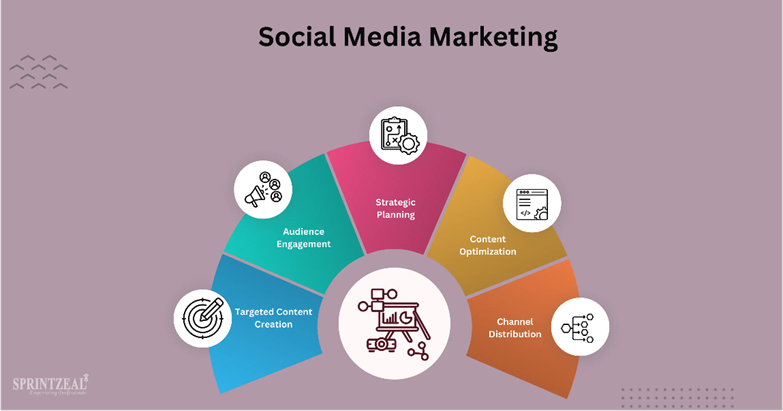
A consistent social media strategy is what turns followers into a real brand identity
Big Impact, Even from a Small Start
No big team or budget needed, just a phone and consistency, many home-based businesses have grown into full teams starting from nothing but Instagram reels.
Conclusion
Put together, these shifts show that digital marketing hasn’t just added a new channel to business, it has changed the fundamentals of how a business finds, talks to, and keeps its customers. The tools are now accessible to almost anyone, so the real advantage no longer belongs to the biggest budget, it belongs to whoever uses these tools with the most understanding and consistency.
Competing with Bigger Brands on a Level Field
One of the quieter but more powerful effects of digital marketing is how it has narrowed the gap between small businesses and large, well-funded brands. In the offline world, a big company’s advantage was almost impossible to match, they could book prime billboard space, buy TV slots during peak hours, and print glossy catalogues that a small business simply couldn’t afford. Online, that advantage shrinks considerably. A well-made Instagram reel from a small home baker can reach just as many local eyes as a post from a national food chain, because the algorithm cares more about engagement and relevance than about brand size or ad spend. A customer scrolling through their feed doesn’t necessarily know, or care, whether a business has fifty employees or just one person running it from their kitchen. What they respond to is good content, honest pricing, and quick replies. This is why so many small, local brands have managed to build loyal followings that rival much bigger competitors within their own city or niche. A local skincare brand, for instance, competing against international names, can still win over customers in its area simply by being more responsive, more relatable, and more consistent online. This levelling effect doesn’t mean big budgets no longer matter, they still help with scale and reach, but it does mean that a small business with the right digital marketing approach is no longer automatically at a disadvantage. For the first time, attention and trust can be earned through consistency and creativity rather than bought purely through size.
Turning First-Time Buyers into Repeat Customers
Getting someone to buy once is only half the job, keeping them coming back is where digital marketing quietly does some of its best work. Traditional marketing was almost entirely built around that first sale, get the ad seen, get the customer through the door, and after that the relationship was mostly out of the business’s hands. Digital marketing changes this by giving businesses a way to stay visible even after the purchase is done. A customer who buys a pair of shoes online might later see a post about a matching accessory, or get a friendly reminder that their size is back in stock for a style they liked. None of this feels like a hard sell, it feels like the brand simply remembered them. Email newsletters, WhatsApp broadcast lists, and retargeted ads all work on this same principle, staying gently present in a customer’s life instead of disappearing after the transaction. A small clothing store that sends a short WhatsApp message when new stock arrives, addressed casually and without pressure, often sees the same customers return month after month, simply because they were reminded at the right moment. This kind of repeat business is usually cheaper and more reliable than constantly chasing new customers, since someone who has already trusted a brand once needs far less convincing the second time. Over time, this is what turns a business from a place people buy from occasionally into one they think of first.